

Why Titanium Is Widely Used in the Medical Industry
作者:kangbote 时间:2026-09-02 15:01:24
Medical grade titanium and titanium alloys have become gold materials in the field of modern medical implants. It is widely used in core scenarios such as orthopedic implants, dental implants, precision surgical instruments, cardiovascular medical equipment, etc. This article will comprehensively explain the definition, classification, industry standards, core advantages, application scenarios and material selection skills of medical titanium materials to help medical practitioners and purchasers systematically understand the core value of medical titanium materials.
What Is Medical Grade Titanium?
Medical grade titanium metal refers to pure titanium and titanium alloy materials that meet international stringent standards, and is specially adapted to long-term implantation and contact of human body. Medical titanium materials have strict control over chemical composition, mechanical properties, biological safety and corrosion resistance, and can be stably retained in the human body for a long time without toxic effects on human tissues and organs.
The core control focus of medical titanium materials is to strictly limit the content of interstitial elements such as oxygen, nitrogen, carbon, hydrogen, and iron. Excessive content of these impurities will lead to embrittlement of materials, decrease of fatigue resistance, and risk of fracture and failure after long-term implantation in human body. Accurate component control is the basic guarantee for the safety of biocompatible medical titanium materials.
From the certification standard point of view, medical titanium must comply with ASTM F series, ISO 5832 series of medical special standards. However, ordinary industrial titanium materials follow ASTM B348 and other industrial standards, and there is no biosafety control, so they must not be used in human implant medical scenarios.
Medical Grade Titanium Types And Application
Medical titanium materials are mainly divided into two categories: pure titanium (commercial pure titanium CP titanium) and medical titanium alloy. The performance of titanium materials of different brands is significantly different, and the medical scenarios are different. Accurate material selection is the key to ensure the performance of medical equipment.
Commercially pure titanium
Commercial pure titanium is divided into four grades of 1-4, and the performance difference is mainly determined by the content of oxygen and iron. The higher the oxygen content, the higher the strength of the material, but the plasticity and formability will decrease, and the adaptation scenarios of each brand will be accurately distinguished.
- Grade 1 pure titanium has the lowest oxygen content, the best ductility and formability among the four types of pure titanium, and the overall strength is low. This grade of pure titanium is mostly used for medical parts with complex structure and no high strength support, such as some dental accessories, cardiac pacemaker housings and other precision thin-walled components.
- Grade 2 pure titanium has the most balanced comprehensive properties, giving consideration to excellent corrosion resistance, formability and moderate strength. It is the most versatile pure titanium material in the medical field at present, and is widely used in dental implants, conventional surgical hardware, and medium-load medical implant components.
- Grade 3 pure titanium has higher strength than grade 2 pure titanium and moderate plasticity, belonging to medium-performance medical pure titanium. It is mainly used for medical structural parts with certain requirements for strength and no need for ultra-high load, and is suitable for the production of various conventional medical support parts.
- Grade 4 pure titanium is the highest strength grade in commercial pure titanium, the upper limit of oxygen content can reach 0.40%, and the structural stability is extremely strong. At present, it is widely used in mainstream dental implants, intraosseous implants, orthopedic fixation hardware and other medical components with bearing capacity requirements.
Overall, commercially pure titanium has better biocompatibility and corrosion resistance than most titanium alloys, making it the preferred material for low-load, high-biosafety medical scenarios.
Medical titanium alloy
Compared with pure titanium, titanium alloy for medical implants greatly improves material strength and fatigue resistance through precise matching of alloy elements, and can withstand long-term cyclic load of human body. It is the core raw material of high-load orthopedic implant devices.
Ti-6Al-4V ELI (titanium alloy 23, ASTM F136) is currently the most widely used implant grade titanium alloy in the world. The material strictly controls the interstitial elements, the oxygen content is less than or equal to 0.13%, has super fracture toughness and fatigue resistance, and can withstand the cyclic mechanical load brought by human activities for a long time. Ti-6Al-4V ELI titanium alloy is mainly used for hip joint, knee joint stem, spinal fusion cage, orthopedic bone plate and screw and other core bearing implants.
Ti-6Al-4V (titanium alloy No. 5, ASTM F1472) is similar in composition to alloy No. 23, but has looser control standards for interstitial elements and lower cost. It does not require extreme toughness and fatigue resistance, and Ti-6Al-4V titanium alloy is mostly used in various surgical instruments, conventional fixation hardware, and non-core load-bearing medical implant components.
Ti-6Al-7Nb titanium alloy (ASTM F1295) uses niobium to replace traditional vanadium, further improving biological safety. The mechanical properties of the material are similar to 6Al-4V alloy, and the biocompatibility is better. Ti-6Al-7Nb titanium alloy is mostly used for hip joint components, orthopedic bone plates and high-end dental medical equipment.
In addition, new beta titanium alloys such as Ti-13Nb-13Zr and Ti-15Mo have a lower elastic modulus, which is closer to the properties of human bones and can effectively reduce the stress shielding effect. At present, it is mostly used in the research and development of high-end customized implants and clinical application research, which is an important development direction of medical titanium materials in the future.
What Standards Apply to Medical Grade Titanium?
Medical implant materials are directly related to human health, so there is a globally unified strict standard system. At present, the authoritative standards for biocompatible titanium materials are mainly composed of American ASTM international standards and international ISO standards, which are also the core basis for compliance production of global medical devices.
ASTM Medical Standards
ASTM F67 is the exclusive medical standard for commercial pure titanium, covering the chemical composition, mechanical properties, metallographic structure requirements of grade 1-4 pure titanium, suitable for various profiles such as plates, rods, wires, forgings, etc., focusing on high biocompatibility and high formability medical scenarios.
ASTM F136 for Ti-6Al-4V ELI ultra-low interstitial titanium alloy, strict control of impurity content, to ensure the toughness and fatigue resistance of the material, is the core compliance standard for high-end load-bearing implants, FDA included in the consensus standard.
ASTM F1472 corresponds to conventional titanium alloy No. 5, which is suitable for medical products with no requirement for extreme toughness such as surgical instruments and general fixing hardware, taking into account performance and cost advantages.
ASTM F1296 specifies the production and testing standards for Ti-6Al-7Nb titanium alloy, providing compliance basis for high biosafety orthopedic and dental implant products. At the same time, there are a number of subdivision standards, covering titanium wire, powder, 3D printing medical titanium materials and other subdivision categories.
ISO International Standard
ISO 5832 series is a global standard for surgical implant metal materials, which is highly interoperable with ASTM standards. ISO 5832-2 corresponds to medical pure titanium, ISO 5832-3 corresponds to 6Al-4V titanium alloy, ISO 5832-11 corresponds to 6Al-7Nb titanium alloy.
All compliant medical titanium materials must meet the above standards, realize standardized control of chemical composition, mechanical properties, testing process and quality traceability, and ensure the safety and universality of medical devices worldwide.
5 Advantages of Titanium for Medical Industry
Compared with traditional medical metals such as stainless steel and cobalt-chromium alloy, titanium materials used for medical implants have multiple irreplaceable comprehensive properties. It can adapt to the complex physiological environment of the human body, taking into account safety, mechanics, durability and processing advantages, and is the preferred material for long-term implantation and precision manufacturing of medical devices.
Excellent biocompatibility
Titanium material for human implantation has high biological safety, non-toxic material, low sensitivity and excellent physiological inertia. After implantation, harmful ions will hardly be released, effectively avoiding adverse reactions such as inflammation and rejection of human body.
Titanium material surface comes with stable titanium dioxide passivation film, which can coexist with human tissues. The unique osseointegration performance allows bone to directly adhere and grow on the implant surface, forming a stable biological locking structure.
Very strong physiological corrosion resistance
Human body fluid, salt, biological enzymes and fluctuating pH value constitute a strong corrosive environment. Traditional metals implanted for a long time are easy to corrode and precipitate particles, causing complications. The titanium material used for implantation in the body perfectly adapts to this complex working condition, greatly improving the service life and clinical safety of various biocompatible titanium equipment.
High specific strength
Titanium alloys used for load-bearing implants have an ultra-high strength-to-weight ratio, tensile and fatigue resistance far superior to traditional medical metals, and lighter weight. Under the premise of ensuring the structural strength, the overall weight of the implant can be greatly reduced.
The lightweight design can effectively reduce the patient's foreign body sensation and limb burden, and at the same time, it has excellent anti-fatigue performance, which can adapt to the daily repeated motion load of the human body, avoid the deformation and fracture of the implant, and adapt to the long-term dynamic use scenario.
Mechanically adapted skeleton
The elastic modulus of traditional medical metals is much higher than that of human bones, which is easy to produce stress shielding effect after implantation, resulting in insufficient stress on peripheral bones, atrophy and loosening of implants. This is a common problem at the heart of orthopedic implant failure. Titanium alloy elastic modulus of about 100 - 115GPa, is the closest to the human cortical bone medical metal.
Support medical customized processing
Medical titanium material has excellent processing performance and can be adapted to various processes such as turning, forging, welding, 3D printing, powder metallurgy, etc. Medical grade titanium can not only mass-produce standard instruments, but also produce personalized customized implants with complex structures. Titanium materials for customized implants can be fully adapted to various medical scenarios such as dentistry, orthopedics, cardiovascular, etc.
Where Is Titanium Used in the Medical Industry?
Relying on all-round performance advantages, biocompatible titanium has penetrated into many core segments of modern medical care, from permanent implants to precision surgical instruments, becoming an indispensable core raw material.
Medical Grade Titanium for Orthopaedic Implants
Titanium material used for orthopedic implantation is the titanium metal category with the largest amount in the medical field at present, focusing on the core characteristics of high strength, fatigue resistance, bone-bonding and low stress shielding, which is perfectly suitable for complex mechanical scenes such as human weight bearing and sports. Among them, titanium alloy for joint replacement, titanium material for spinal repair and titanium material for fracture fixation are most widely used. Core products include hip joint stem, knee joint replacement component, spinal fusion cage, spinal fixation screw, orthopedic bone plate, fracture fixation rod and other mainstream orthopedic implant accessories.
In addition, titanium materials for craniofacial repair and titanium materials for limb joint repair are also widely used. Covers shoulder, elbow, ankle prosthesis, intramedullary nail, external fixation stent, craniofacial titanium plate, titanium mesh and other medical components. This kind of titanium material for orthopedics can bear the dynamic load of human body stably for a long time, is not easy to deform and loosen, and has a clinical service life of decades. It is the core material of orthopedic long-term implant devices.
Medical Grade Titanium for Dental Implants
Titanium used in dental implants is recognized as a gold material in the field of oral medicine, which is specifically adapted to the special physiological environment of the oral cavity. The long-term humidity inside the mouth, complex flora, and frequent fluctuations in pH value place extremely high requirements on the corrosion resistance and biological safety of implant materials, and dental titanium materials perfectly match such strict requirements.
Grade 4 pure titanium used for oral implant and Ti-6Al-4V titanium alloy used for dental restoration are mainly used in clinical practice to make core dental components such as endosseous implants, implant abutments, healing caps and fixed denture brackets. After sandblasting, acid etching and other professional surface treatment, dental titanium materials greatly improve bone integration efficiency, can effectively fit jaw bone tissue, long-term clinical success rate ranks first among all kinds of implant materials.
Medical Grade Titanium for Precision Surgical Instruments
Titanium used for precision surgical instruments has become the core manufacturing raw material for high-end surgical instruments due to its unique characteristics of lightweight, high hardness, non-magnetism and repeated high temperature and high pressure sterilization resistance. Compared with traditional stainless steel instruments, titanium surgical instruments have a significantly reduced weight, which can effectively alleviate the hand fatigue of surgeons during long-term operations and improve surgical accuracy.
There are a wide variety of titanium instruments commonly used in minimally invasive surgery on the market, including surgical forceps, hemostatic clips, medical scissors, needle holders, bone drills, bone chisels and other basic surgical tools, as well as refined precision instruments dedicated to neurosurgery and ophthalmology. At the same time, non-magnetic titanium materials used in nuclear magnetic surgery scenes have zero-magnetic characteristics, which will not interfere with the operation of MRI nuclear magnetic equipment, making the surgical process safer, more accurate and non-interfering.
Medical Grade Titanium for Cardiovascular And Special Medical Equipment
For special medical scenarios with high precision, high safety and long-term implantation, titanium materials for cardiovascular medical equipment are widely used due to their extreme physiological inertness, non-toxicity and high stability. This kind of special titanium material will not have chemical reaction with human blood and tissue, and is suitable for the production of various implantable precision medical equipment. The core products include pacemaker shell, defibrillator shell, heart valve support member, vascular stent and other core accessories.
In addition, titanium materials used in rehabilitation medicine and titanium materials used in implantable drug delivery equipment also have irreplaceable application value. They can be used to make bone-anchored hearing aids, artificial orbital implants, drug delivery ports, precision catheter accessories, artificial heart assist device shells and other special parts. They are the core materials required for the manufacture of high-end special medical devices.
Common Finished Products of Medical Titanium Material
Medical titanium raw materials are mainly profiles, which are made into various medical finished products after precise secondary processing, and different profiles meet the production requirements of different products.
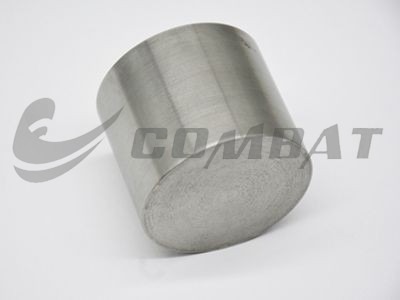
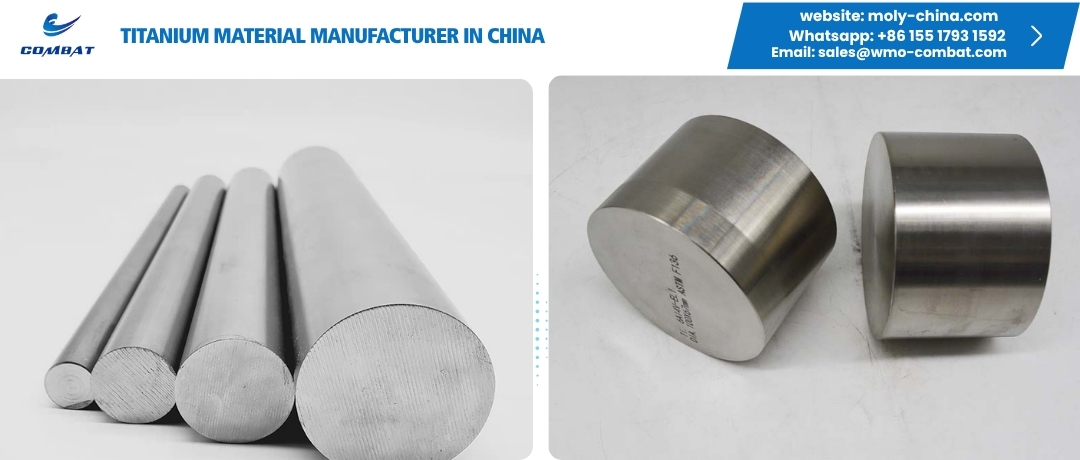
Titanium rod is the biocompatible titanium profile with the largest consumption, mainly composed of 23#titanium alloy and grade 2-4 pure titanium, which can be processed into orthopedic screws, spinal rods, hip joint handles, dental implants and other core load-bearing components.
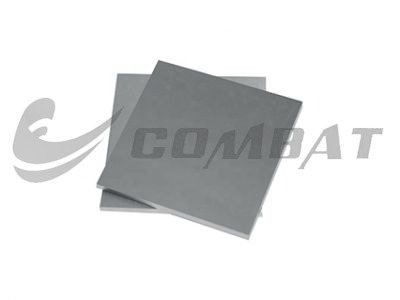
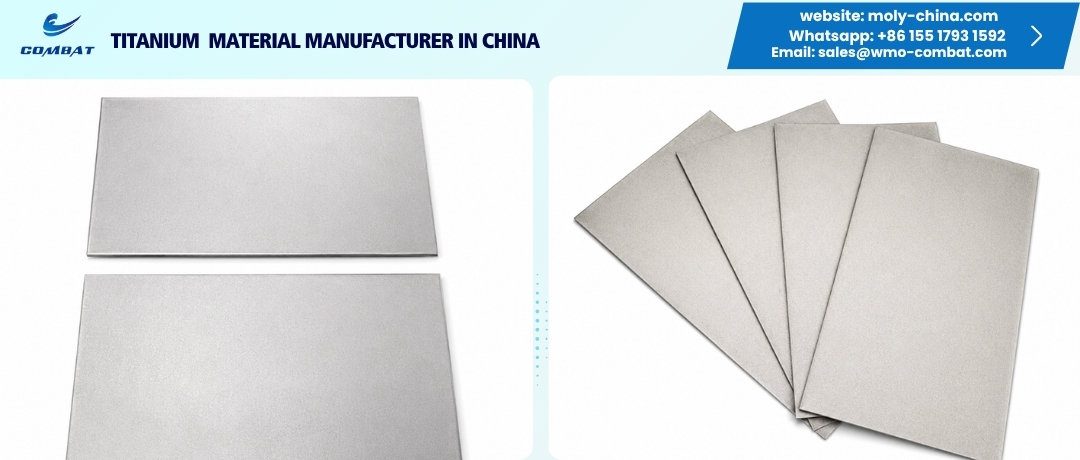
Medical Titanium plate has excellent formability, which is mostly used for craniomaxillofacial repair mesh, fracture fixation steel plate, pacemaker shell and precision surgical instrument base material, and can be bent and shaped according to clinical needs.
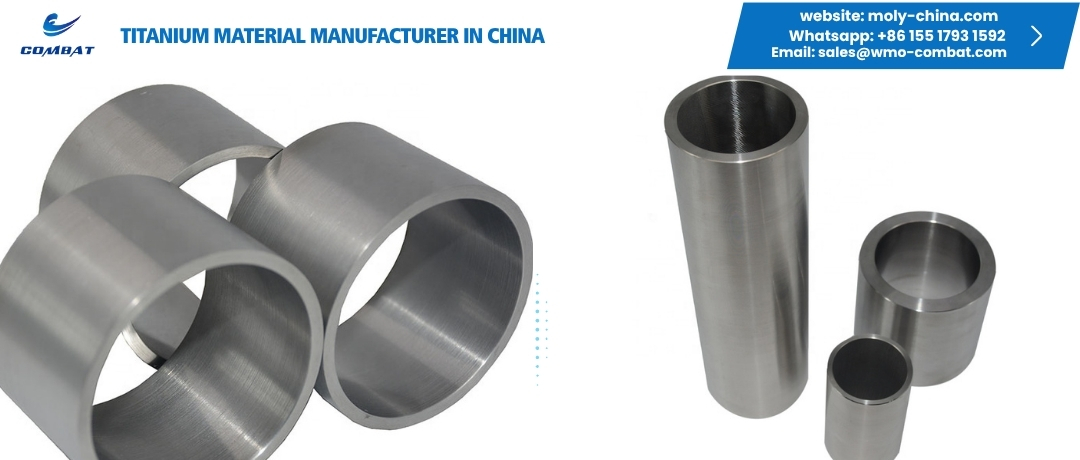
Titanium tube is mainly seamless precision tube with high size accuracy and good surface finish, which is suitable for precision components such as surgical instrument structure tube, interventional catheter accessories, cardiovascular equipment frame, etc.
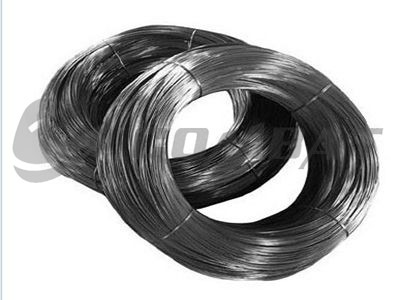
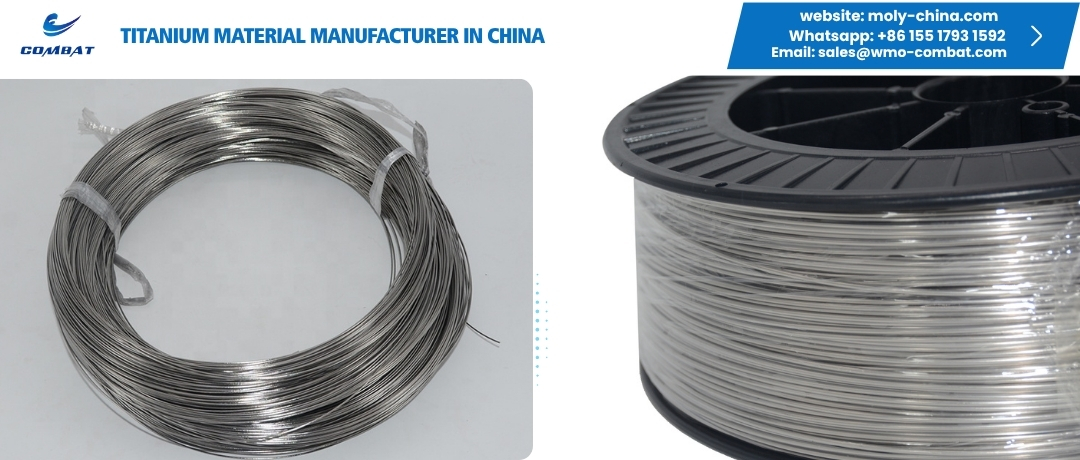
Titanium wire has high precision and good toughness, can be used for manufacturing orthodontic arch wires, surgical suture wires and ligature wires, and can also be woven into medical filter screens and porous osseointegration structures, and is suitable for fine application in dentistry and orthopedics.
At the same time, relying on CNC engraving, 3D printing and metal injection molding processes, it can produce various customized precision components, including personalized patient implants, porous lattice osseointegration structure, special-shaped dental abutments and other high-end medical accessories.
How to Select A Reliable Medical Grade Titanium Manufacturer?
Titanium implant material is directly related to the safety of medical equipment, and material selection and dressing plant are very important. A high-quality medical titanium supplier is at the heart of ensuring material compliance and stable performance.
- Provide ASTM series and ISO full certification, with batch material test report, strictly distinguish industrial titanium and medical titanium.
- complete proces capability. The reliable titanium manufacturer covers the whole process of profile processing, precision machining, surface treatment, 3D printing, etc., which can realize one-stop production from raw materials to finished components.
- With professional testing capabilities, to ensure that each batch of titanium material performance standards.
- With rich experience in the medical industry, long-term supply for orthopedics, dentistry, cardiovascular medical device enterprises, with mature production supporting cases.
- Medical grade titanium manufacturers with stable production capacity and controllable delivery date can meet the demand of mass production at the same time, and have long-term cooperation supply capacity and stability.
FAQ of Medical Grade Titanium
Q: Are medical titanium and industrial titanium the same material?
Medical titanium strictly limits the content of interstitial elements, has the dual guarantee of biocompatibility and corrosion resistance, and can be implanted into human body. Industrial titanium impurity control is loose, only used in industrial equipment, aviation accessories and other scenarios, and is strictly prohibited for human medical implantation.
Q: How much is the price of medical grade titanium?
The price of biocompatible titanium is much higher than that of industrial titanium, and the core comes from the strict cost of purification, testing and quality control. Market reference price in 2026: The unit price of Grade 1-4 medical pure titanium profile is about USD 15-40/lb; the unit price of ELI ultra-low clearance titanium alloy No.23 is about USD 30-80/lb, and the price of customized precision finished components will be higher.
Q: Which titanium grade is best for medical implants?
Grade 2 and 4 pure titanium is preferred for high biocompatibility and low load scenarios; 23#Ti-6Al-4V ELI titanium alloy is preferred for orthopedic implants with high load bearing and high fatigue requirements; Ti-6Al-7Nb titanium alloy can be selected for ultimate biological safety.
Q: Medical grade 2 titanium and grade 5 titanium which is better?
The performance benefits differ. Grade 2 pure titanium has better formability, corrosion resistance and biocompatibility, and is suitable for dental and cranio-maxillofacial low-load implantation scenarios. Grade 5 titanium alloy has higher strength and better fatigue resistance, which is suitable for orthopedic high-load-bearing implant components. The medical industry usually uses it according to the working conditions.
Q: Are titanium implants causing human health problems?
Compliant medical grade titanium material has extremely high safety, and has been clinically used for decades with extremely low probability of adverse reactions. Very few people have mild allergy to titanium, and long-term wear may produce trace amounts of titanium particles, which are normally metabolized by the human body. Overall, the clinical benefits of titanium implants far outweigh the potential risks and are currently the safest metallic implant material.
Conclusion
With the continuous upgrading of medical technology, new technologies and new materials such as 3D printing personalized implants and low modulus β titanium alloy continue to iterate. Medical grade titanium will further expand the application boundary and become the core supporting material for the development of precision medicine, minimally invasive medicine and long-term implant medicine. COMBAT offers precision medical grade titanium finished products, contact us for custom titanium services.