

What is Molybdenum-Copper (MoCu) Alloy? Properties and Uses
作者:kangbote 时间:2026-04-27 17:08:08
Molybdenum-copper alloy (MoCu), combining molybdenum (Mo) and copper (Cu) through powder metallurgy, combines the advantages of molybdenum's low thermal expansion and high strength with copper's high thermal and electrical conductivity, making it an indispensable high-performance composite material in the field of high-end manufacturing.
Understanding of Molybdenum-Copper (MoCu) Alloys
Molybdenum-copper alloy (MoCu) is not a molten alloy in the traditional sense, and is often referred to in the industry as a “dummy alloy”.
It consists of two elements, molybdenum and copper, and the copper content of the commonly used alloys is 20%~50% (mass fraction). Its organization is similar to that of tungsten-copper alloys, which consists of molybdenum particles and copper phases constituting a two-phase structure, perfectly combining the advantageous characteristics of the two metals.
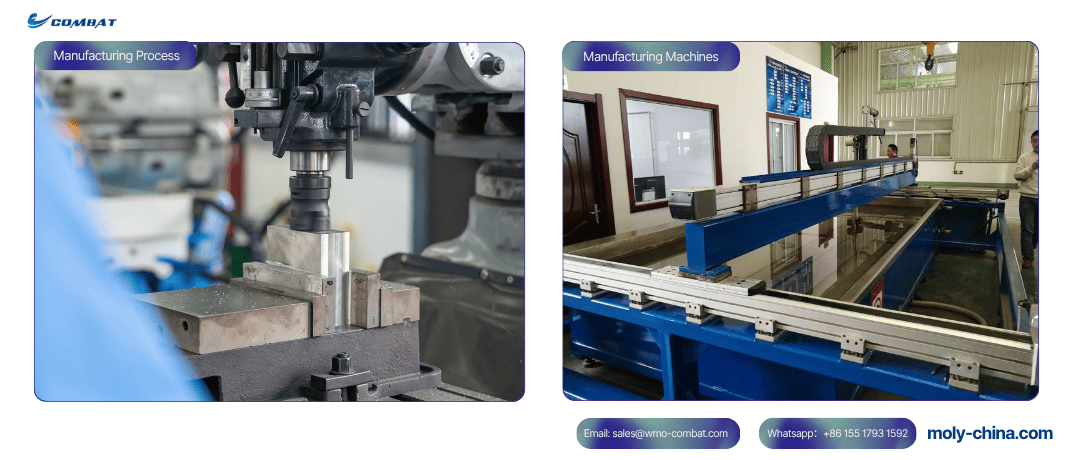
Manufacturing of tungsten-copper alloys: powder metallurgical process
Molybdenum and copper are immiscible and poorly wettable, making it impossible to produce an alloy by conventional melting processes.
Through the powder metallurgy process, molybdenum and copper powders can be evenly mixed, pressed and molded, and then sintered to ensure uniform alloy properties, laying the foundation for the excellent performance of molybdenum-copper alloys.
Core properties of molybdenum-copper (MoCu) alloys
High strength and hardness
The high strength and hardness of molybdenum-copper (MoCu) alloys are mainly due to the properties of the molybdenum element itself. The tensile strength of the commonly used MoCu20 grade, for example, can reach 650-750 MPa, much higher than that of pure copper (the tensile strength of pure copper is only 220-250 MPa).
Excellent thermal conductivity
Many people mistakenly think that molybdenum's thermal and electrical conductivity is poor, in fact, molybdenum itself has excellent thermal and electrical conductivity, second only to gold, silver, copper three metals. Molybdenum-copper alloys have inherited the dual advantages of molybdenum and copper and have excellent thermal and electrical conductivity.
Low adjustable coefficient of thermal expansion
Molybdenum has an extremely low coefficient of thermal expansion (CTE), whereas copper has a high CTE, so molybdenum-copper alloys have an adjustable coefficient of thermal expansion.
By adjusting the ratio of molybdenum to copper, molybdenum-copper alloys with different coefficients of thermal expansion can be prepared, which can accurately match the coefficients of thermal expansion of semiconductor materials such as silicon (Si) and silicon carbide (SiC). It can effectively avoid the thermal stress caused by the large difference in thermal expansion coefficients, preventing cracking of semiconductor packages, high-precision instruments and other components, and safeguarding the stability of products.
Non-magnetic
Molybdenum and copper are both non-ferromagnetic metals, so the molybdenum-copper alloy composed of the two inherits the non-magnetic property.
This advantage allows molybdenum-copper alloys to replace magnetic alloys such as iron and be used in magnetic field environments such as magnetrons and low-noise traveling wave tubes without magnetic field interference, ensuring the normal operation of equipment.
Low gas content
The oxides of molybdenum and copper are easily reduced, and impurities such as nitrogen (N₂), hydrogen (H₂) and carbon (C) are easily removed, so molybdenum-copper alloys have a very low gas content.
In a vacuum environment, molybdenum-copper alloys have a low outgassing rate and excellent vacuum performance, and can be widely used in vacuum electronic devices, nuclear fusion devices and other fields that require very high vacuum performance.
Chemical composition and key parameters of molybdenum-copper alloys
The following are the core parameters of common grades of molybdenum-copper alloys:
|
Alloy |
MoCu10 |
MoCu15 |
MoCu20 |
MoCu25 |
MoCu40 |
|
Mo Content |
Margin |
Margin |
Margin |
Margin |
Margin |
|
Copper Content |
10±2 |
15±3 |
20±3 |
25±3 |
40±5 |
|
Thermal Conductivity |
≥150 |
≥160 |
≥170 |
≥180 |
≥190 |
|
Density(g/cm3) |
≥9.91 |
≥9.83 |
≥9.75 |
≥9.70 |
≥9.3 |
Molybdenum-copper alloy product from COMBAT
COMBAT is a famous tungsten and molybdenum material supplier in China, we provide molybdenum-copper alloys in various forms, which can be processed into tungsten and molybdenum products of various specifications and sizes to meet the requirements of customized OEM production.
Molybdenum-copper product types
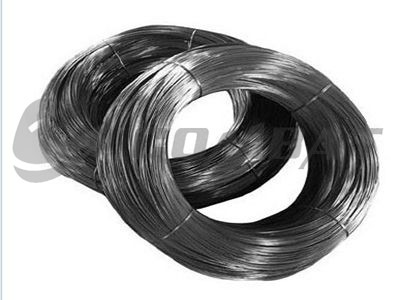
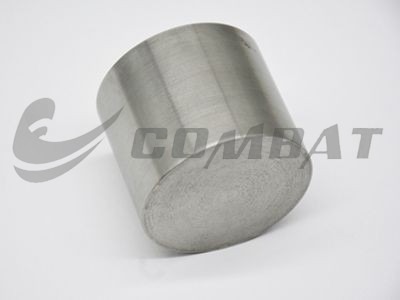
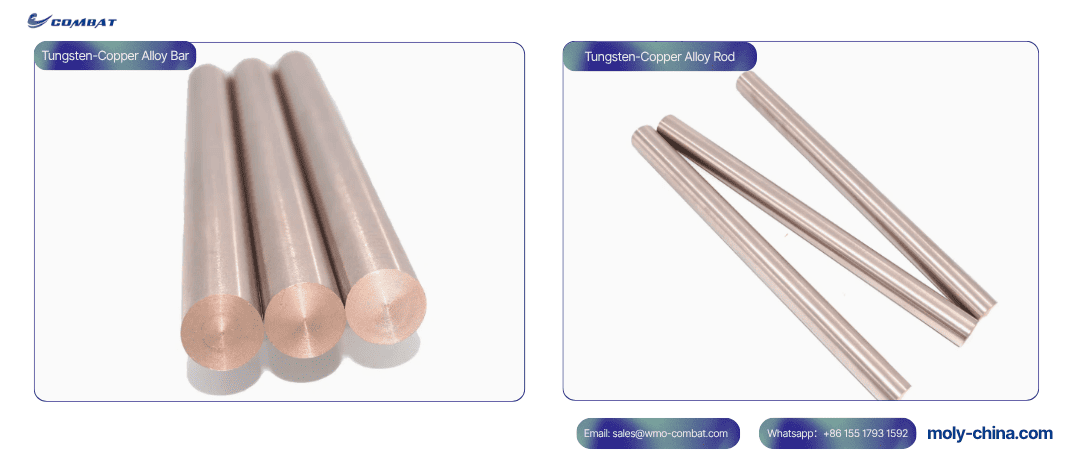
- Molybdenum-copper rods/bars (polished surface): the surface is polished with high precision, suitable for electrical connection, machining and other scenarios.
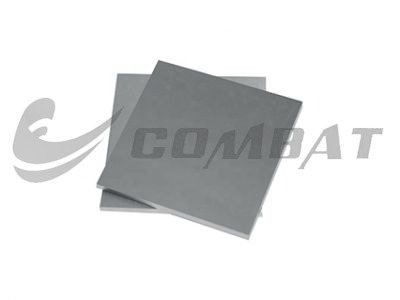
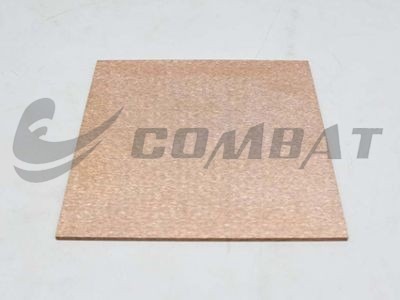
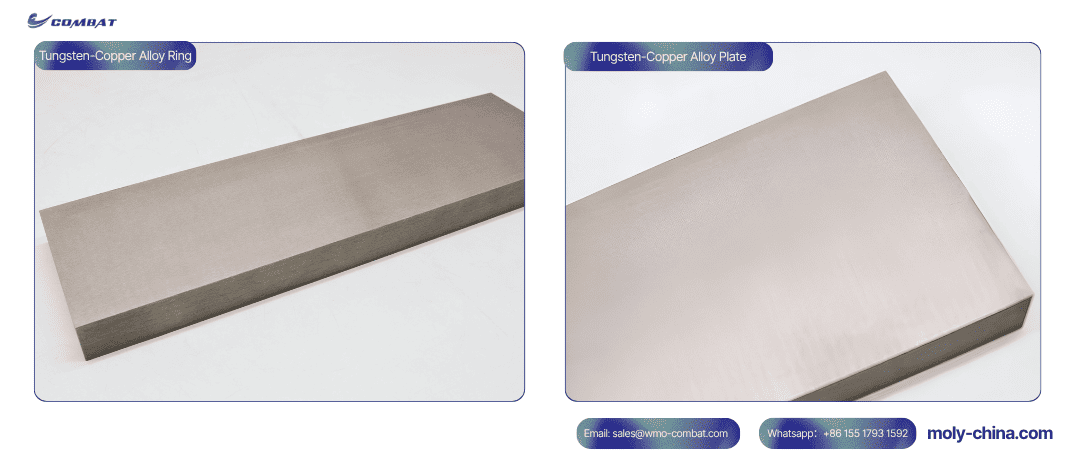
- Copper molybdenum rings/plates: minimum thickness up to 0.1±0.02mm, suitable for high-precision and thin parts.
- Molybdenum-copper tubes: used in fluid transportation, high-temperature piping and other scenarios, both high-temperature resistance and thermal conductivity.
- Customized machined molybdenum-copper parts: according to the specific needs of customers, customized molybdenum-copper parts of different shapes and specifications.
- Surface plating molybdenum-copper alloy: Ni, NiAu, NiAg and other surface plating treatment can be carried out to enhance the corrosion resistance and electrical properties of the products.
Application Scenarios of Molybdenum-Copper Alloy
Aerospace
Molybdenum-copper alloy is one of the core materials in the aerospace industry, which requires high temperature resistance, high strength and low thermal expansion.
Applications: High-temperature components such as nozzle bushings, combustion chambers, heat exchangers, etc., which, thanks to their high strength and high-temperature resistance, are able to withstand the erosion of combustion gases and extend the service life of the components.
Electrical and electronics
Molybdenum-copper alloy sheet is used in the manufacture of LED chip heat sinks, high-power chip thermal management, integrated circuit lead frames, electrical contacts, semiconductor substrates, 5G base station devices and so on.
The application of molybdenum-copper alloy is particularly important in the field of new energy vehicle batteries. For example, molybdenum-copper rods used in EV battery modules can reduce the peak battery temperature by 22°C, while shortening the charging time, and can also assist in improving battery safety and reducing the risk of thermal runaway.
High-temperature furnace components
High-temperature furnaces operate at extremely high temperatures and require components with high temperature resistance, high strength and high thermal and electrical conductivity, which molybdenum-copper alloys are perfectly suited for.
Molybdenum-copper alloys are used in applications such as heating elements and insulating supports to ensure the stable operation of high-temperature furnaces and to extend the service life of components.
Medical devices
The biocompatibility and safety requirements of medical equipment are extremely high. Molybdenum-copper alloys are characterized by good biocompatibility, high electrical conductivity and non-magnetic properties.
Molybdenum-copper alloys are used in dental implants, surgical instruments, etc., which not only meet the performance requirements of medical equipment, but also ensure the safety of human use.
Molybdenum-copper alloy vs. tungsten copper vs. pure copper
In practice, molybdenum-copper alloys are often compared with materials such as tungsten-copper (WCu), pure copper and aluminum (Al), and the differentiation is particularly clear.
Core advantages of molybdenum-copper alloys
- Better processability: Molybdenum-copper alloys can be processed by stamping and are suitable for mass production, while tungsten-copper alloys are more difficult and costly to process.
- Lower density: Molybdenum-copper alloys have a density of 9.2-10.2g/cm³, which is much lower than that of tungsten-copper alloys (16.5-18.5g/cm³), which effectively reduces the weight of the equipment, and is particularly suitable for aerospace and other weight-sensitive scenarios.
- More accurate thermal expansion matching: Through the adjustment of molybdenum and copper composition, more accurate matching of thermal expansion coefficient can be realized, which reduces thermal stress damage and is suitable for more high-precision scenarios.
- Higher cost performance: In specific scenarios such as laser diode heat sinks, molybdenum-copper alloy has a cost advantage over tungsten-copper alloy and diamond heat sinks, which can reduce the cost by about 65%;
- Visual advantage: Molybdenum-copper alloy has a silver-gray metallic luster, which can be adapted to LED heat sinks, smartphone parts and other scenes that require a better appearance.
Common Misconceptions Correction
Myth 1: The brighter the color, the better the performance - the performance of molybdenum-copper alloy depends on the proportion of components and manufacturing process, not the surface color, silver-gray luster is only the appearance of the characteristics, and has nothing to do with the core performance of thermal conductivity, strength and so on;
Myth 2: The higher the density, the better the performance - the density of molybdenum-copper alloy is negatively correlated with the copper content, and the density needs to be selected according to the needs of the scene, not the higher the better.
Future development trend of molybdenum-copper alloy
With the rapid development of new energy vehicles, 5G communications, semiconductors, aerospace and other industries, the demand for high-end thermal management and high-precision devices will continue to grow, and the application scenarios of molybdenum-copper alloy will be further expanded.
Especially in new energy vehicle battery thermal management, 5G base station devices, semiconductor packaging and other fields, molybdenum-copper alloy demand will usher in explosive growth.
The tungsten and molybdenum materials industry will focus on the research and development of nanopowder sintering, new composite process and other technologies to further optimize the performance of molybdenum-copper alloy, to achieve higher thermal conductivity, and more accurate adjustment of the coefficient of thermal expansion.
If you need to customize molybdenum-copper alloy products, get technical support or quotation, please feel free to contact and consult COMBAT.