

Complete Guide of Tungsten Carbide Components in CNC Machining
作者:kangbote 时间:2026-07-07 14:48:04
In the field of modern precision CNC machining, machining efficiency, product accuracy and tool life are the three core elements that determine the workshop production cost and capacity limit. Tungsten carbide components with extreme hardness, heat resistance and wear resistance, become the core of high-end CNC milling, turning, drilling, mold processing consumables, widely used in aerospace, automotive, medical, mold manufacturing and other high-precision industries. This article will bring comprehensive practical guidance from multiple dimensions of tungsten carbide components to help processing companies reduce costs, increase efficiency, and accurately select models.
What is Tungsten Carbide Component?
Tungsten carbide (WC) is an inorganic dense compound formed by combining tungsten atoms with carbon atoms in equal amounts. It is also one of the most widely used superhard materials in industrial fields. Pure tungsten carbide is fine gray powder, which cannot be directly processed and molded. In industrial production, cobalt, nickel and other metal binders will be added to tungsten carbide powder, and solid components will be made through pressing and high temperature sintering processes. This finished product is often called cemented carbide (tungsten steel) components.
Industrial tungsten carbide components can be divided into four categories, covering CNC machining, industrial wear resistance, special machining full scene:
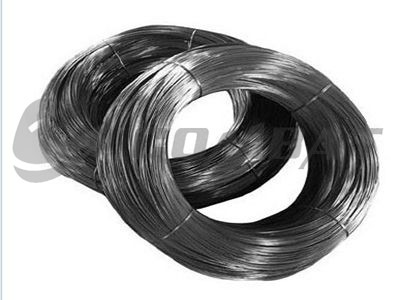
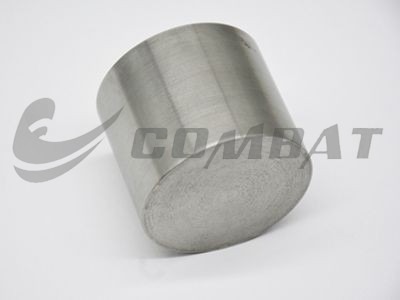
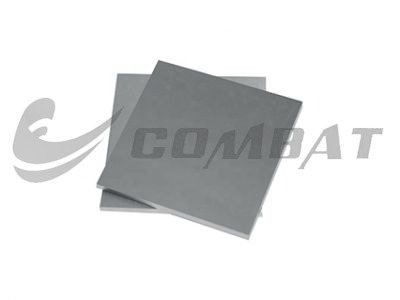
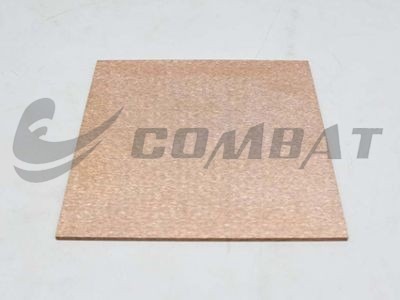
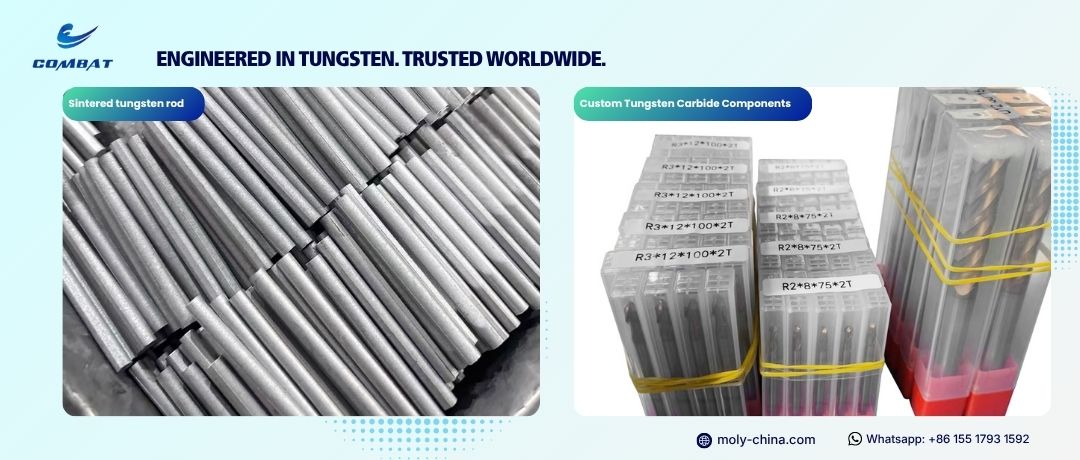
One is tool accessories, including all kinds of indexable inserts, tool heads, tooth buttons, which are the core cutting consumables of CNC machine tools; the other is industrial wear-resistant parts, including nozzles, bushings, seals, dies, punches, etc., which are mostly used for wear protection of mechanical equipment; the third is protective coating, which is attached to the workpiece surface by thermal spraying process to improve the wear resistance and high temperature resistance of ordinary metal parts; the fourth is solid profiles, including tungsten carbide rings, balls, rods, etc., which can be processed into various precision parts.
5 Key Properties of Tungsten Carbide Material
The reason why tungsten carbide components can dominate the high-end CNC machining market lies in its comprehensive performance far beyond ordinary steel and ceramic materials. Five key characteristics meet the needs of precision machining:
1. Extreme hardness
Tungsten carbide is one of the hardest industrial materials known, comparable to diamond, and resistant to friction, wear and corrosion for long periods of time. When processing high-strength metals, the cutting edge wear and passivation problems will not occur quickly, and the stability is far superior to high-speed steel tools.
2. Extra density
Its density is about twice that of steel, the overall structure is dense and uniform, and it is not easy to deform and vibrate during processing, which lays the structural foundation for high-precision CNC machining.
3. Super high temperature resistant
Tungsten carbide melting point up to 2870℃, in the high temperature cutting environment above 800℃, still can maintain the original hardness and strength, will not appear softening, deformation, failure, suitable for high-speed dry cutting processing.
4. Strength and compression resistance
Cemented carbide components after bonding sintering have extremely high compressive strength. Under high-pressure cutting and heavy-duty processing conditions, plastic deformation is not easy to occur, and the sharp edge can be maintained for a long time.
5. Corrosion resistance weather resistance
The material itself has excellent corrosion resistance and wear resistance, which can work stably in harsh industrial environments such as high temperature, high wear and corrosive media, and its service life is greatly improved.
Advantages of Tungsten Carbide Components for CNC Machining
Compared with traditional high speed steel (HSS) tools, tungsten carbide components are not simply "higher hardness", but in the CNC automation production scene, the accuracy, efficiency, stability, cost of all-round optimization, is the best choice for modern CNC machining.
The cutting edge is permanently sharp
High speed steel tools in the processing of stainless steel, titanium alloy, cast iron and other hard materials, easy to wear quickly, edge passivation, the need for frequent downtime tool change, tool, seriously interrupt the processing rhythm.
Tungsten carbide tools with extreme wear resistance, can keep the edge intact sharp for a long time, continuous processing hundreds of thousands of workpieces can still maintain a stable cutting state. This not only reduces the downtime of tool change and tool setting, but also ensures the size consistency of batch products.
Adapting to high speed cutting processes
CNC high-speed machining process, the cutting area will instantly produce hundreds of degrees Celsius high temperature. Ordinary high-speed steel tools will soften and fail at about 500℃, and cannot support high-speed and efficient machining.
Tungsten carbide components can maintain the original hardness and rigidity in the high temperature environment above 800℃, without softening, chipping and deformation problems. Coolant-free dry cutting can be realized under some working conditions, simplifying the processing flow and reducing the cost of consumables.
Increase processing capacity
Tungsten carbide tools support higher spindle speed and feed speed, machining efficiency is 2-5 times that of traditional high speed steel tools, can quickly complete roughing, finishing processes, greatly improve daily production capacity.
At the same time, the long tool life effectively reduces the frequency of tool procurement and downtime losses. Although the purchase price of tungsten carbide is higher, from the perspective of comprehensive cost of long-term mass production, the cost performance is far superior to ordinary tools.
Improve product precision and surface quality
Tungsten carbide material has strong rigidity and small deformation, and there will be no obvious vibration and tool failure during processing. It can effectively suppress machining vibration lines and tool marks, and easily realize micron precision tolerance.
In high-end machining scenarios such as aerospace, medical precision parts, mold cavities, etc., high-finish workpieces can be stably produced, and secondary machining processes such as subsequent grinding and polishing can be greatly reduced.
Strong flexibility and adaptability
Tungsten carbide components can be customized by adjusting cobalt binder content and powder grain size. The high cobalt content version has stronger toughness and can cope with heavy rough machining conditions such as intermittent cutting and impact cutting.
Fine-grained version has higher hardness and sharper cutting edge, suitable for high-precision finishing and hard milling scenarios. A substrate can be adjusted through the process, covering the vast majority of CNC machining needs, universal.
How are Tungsten Carbide Components Produced in Factories?
Tungsten carbide components are not simply melted and molded, but produced by powder metallurgy process. The whole process does not require complete melting of raw materials. Through precision matching, pressing, sintering and finishing molding, each process directly determines the final performance of the tool.
Step 1:Powder preparation
The production source takes scheelite, wolframite and other tungsten ores as raw materials, which are transformed into intermediate raw materials such as tungsten oxide and ammonium paratungstate after chemical treatment. Then through high temperature hydrogen reduction process, high-purity tungsten powder is purified.
Then tungsten powder is mixed with carbon black and other carbon sources, and carbonized in a high temperature furnace at 1300-1600 ° C to finally generate ultra-fine and uniform tungsten carbide powder. The manufacturer will accurately control the particle size of the powder according to the use of the product, and adapt to the different needs of rough processing and finishing.
Step 2:Mixing ratio
Pure tungsten carbide powder is brittle after sintering and cannot be directly used for cutting. Therefore, it is necessary to add 3%-30% cobalt powder (nickel powder in a few scenes) as a binder to balance hardness and toughness.
The raw materials will be put into the ball mill, stirring equipment fully mixed, while adding a small amount of lubricants, paraffin, improve the powder fluidity and compression effect, and finally form a uniform, can be pressed into composite powder raw materials.
Step 3:Press forming
The mixed powder is pressed into blank green body with near net size by various processes. At this time, the green body has loose texture, weak texture, no use performance, and is only in a preliminary molding state.
Conventional sheet and block tools are molded by die pressing; long bars and pipes are extruded; complex special-shaped components are molded by powder injection; large and high-precision components are molded by isostatic pressing to ensure uniform density without deviation.
Step 4:High sintering
Sintering is the core process that determines the hardness, density and strength of tungsten carbide components. putting the green body into a vacuum or controlled atmosphere high temperature furnace, sintering and solidifying at a high temperature of 1350-1500 DEG C.
During the sintering process, the cobalt binder will melt and flow, evenly wrap the tungsten carbide particles, and achieve close bonding of the particles. The overall volume of the workpiece will shrink by up to 50%, and the density will be greatly improved. Some high-end products will add hot isostatic pressing process to completely eliminate internal pores and improve overall compactness. COMBAT, as a leading manufacturer of tungsten carbide from China, supplies high temperature sintered rods to tungsten carbide tool manufacturers worldwide. We have 17 years of industry experience.
Step 5:Precision finishing and surface treatment
After sintering, the component only has basic properties, and the size accuracy and surface finish cannot meet the requirements of CNC precision machining. It is necessary to correct the size and optimize the surface flatness through diamond grinding wheel grinding, polishing, honing and other processes.
Complex, irregular structures and fine features are precisely shaped using electrical discharge machining (EDM). After that, TiN, TiAlN, DLC and other coatings can be plated according to requirements to further improve high temperature resistance, wear resistance and adhesion resistance.
Finally, after hardness, density, size tolerance, microstructure all-round testing, qualified products can be put into CNC machining.
Types and application of tungsten carbide components in CNC machining
Tungsten carbide products used in CNC workshop are mainly made of cemented carbide. The structure, performance and applicable conditions of different categories vary greatly. Accurate classification is the basis of efficient processing and cost control.
Indexable tungsten carbide insert
This is the most commonly used universal consumables for CNC lathes and machining centers. It is a replaceable tool head. It is used with standardized tool holders and tool heads without the need for overall tool replacement.
Blades are divided into diamond, square, triangle, round and other shapes, with chip breaker groove, suitable for cylindrical turning, end cutting, groove processing, thread processing, plane milling and other processes.
The core advantage is high cost performance, convenient replacement, suitable for large-scale standardized workpiece processing, which can effectively reduce tool replacement costs and downtime.
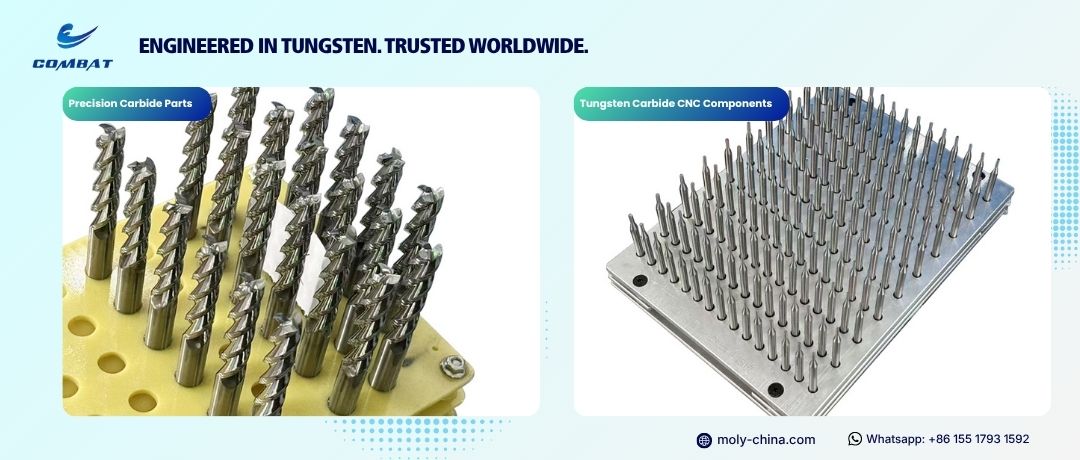
Solid tungsten carbide end mill
Solid carbide end mill is the core tool of CNC machining center. It is made of tungsten carbide material, and its rigidity and precision are far superior to welding tools.
Including flat bottom, ball head, fillet, special-shaped and other styles, can complete grooving, contour milling, cavity machining, 3D surface finishing, hard material milling and other complex processes.
This type of tool is suitable for stainless steel, titanium alloy, hardened steel, aluminum alloy and other most metal materials. It is the main tool for mold processing and precision parts mass production.
Tungsten carbide drill bits and reamer
Tungsten carbide twist drill and step drill are specially designed for high-precision hole machining with excellent wear resistance and heat resistance. They can complete deep hole machining and intermittent drilling operations on hard materials and thick materials without easy chipping and deviation.
Tungsten carbide reamer is mainly used for hole finishing, which can correct drilling error, stably realize micron hole diameter tolerance, ensure hole roundness and smoothness, and adapt to high-end hole processing scenarios such as precision equipment and hydraulic accessories.
Other Special Tungsten Carbide CNC Tools
In addition to core tools, there are various special supporting components: tungsten carbide milling cutter, thread milling cutter for large area plane machining and precision thread machining; tungsten carbide grinding head for CNC trimming, deburring, engraving machining;
Micro tungsten carbide tools are suitable for micro-machining scenarios of electronic and medical micro-parts. At the same time, wear-resistant accessories such as tungsten carbide guide bushings and chucks can improve the operating stability and service life of CNC equipment.
Tungsten Carbide Components Applications in Different Industries
With comprehensive performance advantages, tungsten carbide components have been fully covered CNC roughing, finishing, ultra-precision machining process, widely used in various high-end manufacturing industries, is an indispensable core consumables for modern CNC machining.
Aerospace industry
High temperature alloy, titanium alloy and other hard-to-machine materials precision structural parts production. High temperature resistant coated tungsten carbide tools can withstand high speed cutting temperatures, continuously maintain sharp edges and machining rigidity, and meet the requirements of micron tolerance and high reliability in the aviation field.
Automobile manufacturing industry
Focus on high volume, high efficiency, high consistency of mass production processing. Tungsten carbide turning inserts, drilling tools and milling tools are widely used in large-scale production of engine blocks, gearbox gears, shaft parts and chassis precision accessories.
Medical device industry
Strict requirements for part accuracy, surface finish and material stability. Ultra-fine grain tungsten carbide micro-tools can complete ultra-precision cutting and micro-machining of medical implants, surgical instruments and micro-precision parts.
Petroleum and mining heavy industry
Bad working conditions, long-term face high wear, high impact, high temperature and high pressure environment. Tungsten carbide wear parts, bit teeth, seals, nozzles, punches and other components, with strong wear resistance and impact resistance, adapt to rock drilling, oil and gas exploitation, mine excavation and other extreme conditions.
Electronic precision manufacturing industry
Depending on micro tungsten carbide tools to complete micro parts, precision housing, circuit board accessories engraving, grooving, finishing processing. Ultra-fine grain tungsten carbide tool edge is extremely thin, rigid enough, can realize fine structure without deformation, no chipping processing, adapt to the electronic industry lightweight, miniaturization, high precision product production trend.
How to Choose Tungsten Carbide CNC Component?
Tungsten carbide tools are not universal consumables, blind selection will appear chipping, wear too fast, poor surface quality, low efficiency and other problems. Combined with the processing conditions, materials, process accurate selection, in order to maximize tool performance, control production costs.
Machining process and workpiece material
First clear the core processing procedures: milling preferred to use the overall tungsten carbide end mill, turning preferred to use indexable inserts, drilling, reaming corresponding to special tungsten carbide hole processing tools.
Material of workpiece: aluminum alloy, copper and other non-ferrous metals, suitable for large spiral angle, less blade number, uncoated or polished tools, avoid chip accumulation; ordinary steel, stainless steel, choose general grade tungsten carbide tools with wear-resistant coating;
Titanium alloy, high temperature alloy, select high temperature special coating, fine grain tools; HRC50 hardened steel, must use ultra-fine grain tungsten carbide tools, adapt to hard milling process.
Tungsten Carbide Grain Grade and Cobalt Content
Ultrafine/fine grain material: high hardness, sharp edge, suitable for finishing, hard material processing, micromachining scenes, excellent precision performance, but the impact resistance is general, not suitable for heavy rough machining.
Medium/coarse grain material: higher cobalt content, stronger toughness, excellent impact resistance, anti-chipping performance, suitable for heavy rough machining, intermittent cutting, large margin cutting conditions, hardness and wear resistance slightly lower than fine grain material.
The industry general ISO P/M/K classification standard can accurately match the processing requirements of different materials such as steel parts, stainless steel, cast iron, etc. It is an important reference basis for batch selection.
Selection according to surface coating requirements
Non-coated tools: smooth surface, not easy to accumulate chips, exclusive for aluminum, copper and other soft non-ferrous metal processing, cost-effective.
TiN, TiCN coating: universal wear-resistant coating, high hardness, wear resistance, suitable for ordinary steel, cast iron conventional cutting processing, applicable to a wide range of scenarios.
TiAlN, AlTiN coating: excellent high temperature resistance, can withstand high temperatures above 1000℃, is the preferred coating for high-speed dry cutting, hard milling, greatly improve tool life.
DLC diamond-like coating: extreme wear resistance, low friction, suitable for graphite, composite materials, abrasive materials processing, effectively reduce tool wear.
How to Choose A Reliable Tungsten Carbide Parts Supplier
Tool quality directly determines the accuracy and stability of CNC machining, and the core source of tool quality is the supplier's production strength. High-quality manufacturers can provide products with stable performance, accurate size and strong adaptability. At the same time, professional technical support can be provided to help workshop reduce cost and increase efficiency.
The quality of parts directly determines the stability of CNC machining, and the optimization of source manufacturers is the core of ensuring machining quality and controlling long-term costs.
- Verification of industry experience and reputation:priority should be given to source manufacturers with more than 10 years of professional production, avoiding middlemen and traders. Focus on viewing cooperation cases in high-end fields such as aviation, automobiles, molds, etc. to verify the actual use performance of products.
- Verification qualification and quality control system:regular manufacturers need to have ISO9001, and other basic certification, can provide product-related material certificates, hardness testing, microstructure testing reports, etc., to ensure stable product performance standards.
- Evaluation of production and customization capacity:high-quality manufacturers equipped with a full set of sintering, grinding, coating, testing equipment, stable production of standard parts and non-standard shaped parts. Support customized grain ratio, geometric size, special coating, adapt to special processing conditions.
- Comprehensive evaluation of cost performance and delivery time:avoid low-cost inferior products, inferior parts are easy to break, wear fast, will increase scrap rate and downtime costs. Priority is given to suppliers with stable delivery, sufficient inventory and balanced comprehensive cost performance.
- Inspection technology and after-sales support:high-quality suppliers can provide free selection guidance, process parameter optimization services, complete after-sales warranty system, reduce procurement and use risks.
Frequently Asked Questions
Q: Can tungsten carbide parts be machined by conventional CNC?
A: The hardness of fully sintered tungsten carbide components is extremely high, and ordinary CNC tools cannot cut. Only unsintered green bodies can be simply shaped, and finished products need to be processed by special processes such as diamond grinding, EDM, laser cutting, etc.
Q: How much precision can tungsten carbide parts achieve?
A: Tungsten carbide parts after precision finishing can stably achieve ±0.001mm ultra-high tolerance and meet the strict precision requirements of aviation, medical and precision molds.
Q: What are the advantages of tungsten carbide tools compared to hardened steel tools?
A: Hardness, heat resistance and wear resistance are better than quenched steel tools, and the processing efficiency, accuracy and service life are greatly improved. Although the unit price of a single product is higher, the comprehensive production cost of long-term mass production is lower.
Q: How long is the service life of tungsten carbide CNC tools?
A: With the change of processing materials and parameters, the processing of ordinary steel can be used continuously for dozens of hours, and the processing life of hard materials is slightly shortened. The overall life is 10-30 times that of high speed steel tools.
Q: Does it support customization of non-standard tungsten carbide parts?
A: Professional manufacturers can customize special-shaped tools, wear-resistant accessories, customized grain ratio, geometric structure, special coating, and adapt to various non-standard and special CNC machining conditions.
Q: Which industries are inseparable from tungsten carbide wear resistant components?
A: Aerospace, automobile manufacturing, medical equipment, mold manufacturing, oil drilling, general precision machinery, electronic micro-processing and other industries are highly dependent on tungsten carbide components to achieve efficient, precise and stable production.
Conclusion
Tungsten carbide components are the core consumables of modern CNC precision machining. With the four core advantages of ultra-high hardness, excellent thermal hardness, strong wear resistance and high rigidity, it completely solves the pain points of low efficiency, poor precision, short life and high loss of traditional tools. As a professional tungsten carbide parts source manufacturer, COMBAT has been deeply engaged in cemented carbide research and development, molding, finishing and coating technology for many years. It can be used for CNC precision machining, heavy drilling, medical aviation, automobile mass production and other industry-wide differentiated conditions. Whether you need regular tungsten carbide parts or non-standard customized parts, you can contact COMBAT for a carbide solution.